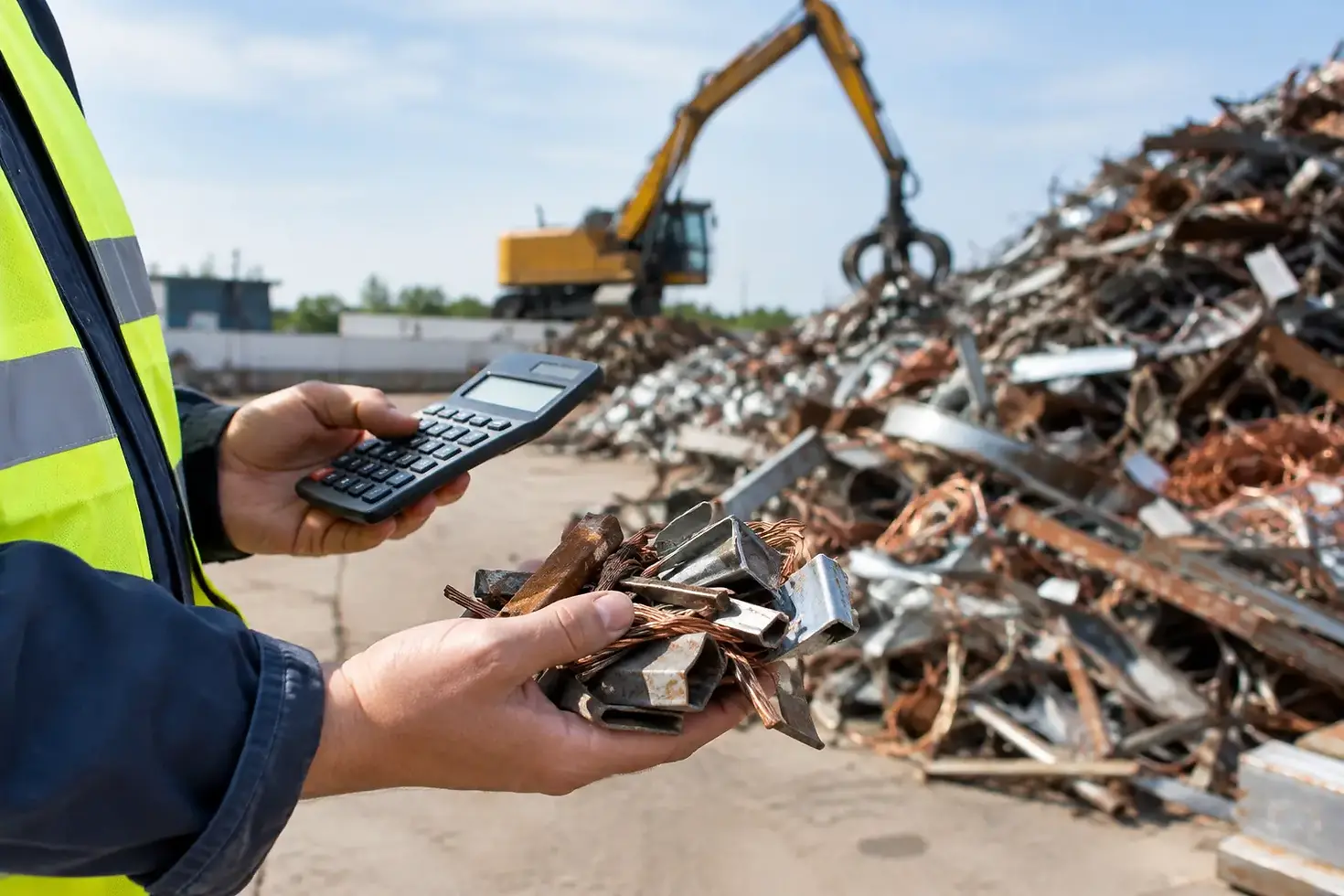
Scrap Payout Factors That Affect Your Return
A demolition cleanup, plant shutdown, equipment replacement, or fabrication backlog can leave a business sitting on real value. But scrap payout factors determine whether that pile turns into a strong return or a lower-than-expected check. The difference is rarely just the number on a market board. Material type, sorting, contamination, volume, access, and current demand all affect what a recycler can pay.
For commercial and industrial operations, the best approach is simple: know what you have, keep valuable material separated, and work with a recycler that can collect it where it sits. That saves your crew from hauling loads across town, keeps the job site cleaner, and helps ensure recoverable material is properly identified before it is priced.
Scrap Payout Factors Start With Material Type
Not all metal carries the same value. Ferrous metals, including steel and cast iron, are commonly generated in large volumes from demolition, manufacturing, machinery, and construction work. They are recyclable and worth recovering, but their per-pound value is usually different from nonferrous metals.
Nonferrous metals such as copper, aluminum, brass, stainless steel, and certain alloys often command higher payouts because they have distinct industrial uses and can be processed into valuable secondary raw materials. A mixed pile may look like ordinary scrap to an untrained crew, but it can contain copper-bearing wire, aluminum components, stainless fittings, brass valves, or high-temperature alloy pieces that should not be priced as light iron.
Specialty materials require even closer attention. Obsolete X-ray film may contain recoverable silver. Certain industrial catalysts, electronics-related materials, and high-temperature metals can also have value that is not obvious from a quick visual inspection. The right recovery method matters as much as the material itself.
Grade Matters Within Every Metal Category
A metal category is not one fixed price. Copper tubing, insulated copper wire, and mixed copper-bearing material may each be purchased differently. Clean aluminum extrusion is different from painted or mixed aluminum. Stainless grades vary, and some alloys require verification before value can be determined.
Grade reflects purity, composition, size, condition, and the amount of processing needed before the material can enter the next stage of recycling. Accurate sorting protects your return because it prevents higher-value grades from being blended into lower-value loads.
Clean, Sorted Material Usually Pays Better
Preparation can have a direct effect on scrap value. Material that is clean, accessible, and separated by type is easier to inspect, weigh, transport, and process. That reduced handling can support a better payout than a pile that contains several metals, trash, dirt, concrete, wood, plastic, or hazardous contaminants.
This does not mean your team needs to spend days hand-sorting every bin. In many cases, that labor cost is not worth the added return. It depends on the volume, the type of material, and how mixed the load is. A large quantity of copper, brass, aluminum, or specialty alloys is usually worth separating. A small amount of low-value mixed steel may be more efficiently removed as-is.
The goal is to avoid preventable losses. Keep known nonferrous metals out of ferrous scrap containers. Remove obvious trash where practical. Store materials in clearly marked areas so crews do not mix them during a rushed cleanup. Those basic habits make pickup faster and give the recycler a clearer view of the material’s actual value.
Volume Can Improve Pickup Economics
Weight matters, but volume is about more than total pounds. A larger, consistent quantity of material can make collection, loading, transportation, and processing more efficient. For businesses that generate recurring scrap, organized containers and scheduled pickups can reduce downtime and prevent valuable material from building up in work areas.
A one-time machinery removal may also create significant value, especially when it includes motors, electrical components, stainless equipment, copper-bearing parts, or reusable metal sections. Before cutting up or disposing of old equipment, have it evaluated. The highest value may be in individual components rather than the unit’s overall scrap weight.
Pickup logistics are part of the equation. Material located behind active production lines, on a crowded job site, or in a difficult-to-access area may require more labor and equipment to remove. Clear access, accurate information about the load, and coordination with site contacts help keep the process efficient.
Market Demand Changes Scrap Prices
Scrap pricing moves with commodity markets. Demand from mills, foundries, refineries, and manufacturers changes over time, as do transportation costs, processing capacity, and the availability of material. A quote that made sense last month may not apply to a current pickup.
That does not mean businesses should wait indefinitely for a better market. Holding scrap has costs of its own: it takes up space, creates housekeeping issues, may expose material to theft, and can interfere with safe operations. For many facilities, regular removal is more profitable over time than trying to predict the perfect selling day.
Timing does matter when you have a large project load or a higher-value specialty material. Ask for an evaluation close to the pickup date and share as much detail as possible. Photos, estimated quantities, material descriptions, and information about where the scrap is located can help set realistic expectations before the crew arrives.
Scrap Payout Factors Include Weight and Verification
Professional weighing and material identification are essential to a fair transaction. Heavy equipment, dense machinery, bundled steel, wire, and mixed containers can all make visual estimates unreliable. A legitimate payout should be based on verified material type and weight, not guesswork.
For commercial customers, documentation also matters. Keep records of equipment removed, scrap categories, quantities, and payment received. This helps operations teams track the financial return from cleanouts and capital upgrades. It can also reveal where a facility is losing recyclable material to general waste or unauthorized removal.
If your business generates scrap on a regular basis, designate one person or department to coordinate collection. That person can track material streams, verify what is being removed, and make sure valuable categories are not accidentally discarded during busy shifts or contractor work.
Labor, Transportation, and Cleanup Have Real Value
The highest price per pound is not always the best overall result if your employees must load trucks, arrange transportation, wait at a yard, and lose productive hours. A pickup-and-pay-on-site service changes the math. Your material is collected at your facility or job site, and your team can stay focused on construction, production, maintenance, or the next phase of the project.
Texas Commercial Recycling helps San Antonio-area commercial and industrial customers turn excess metal, machinery, and specialty recoverable materials into cash without adding another hauling task to the workday. Trained handling, sorting support, and efficient cleanup are especially useful when a site needs material cleared quickly or after normal business hours.
Free pickup options may be available for qualifying loads, but eligibility depends on the material, quantity, location, and collection requirements. Be direct about what you have. A clear conversation upfront helps determine the best pickup plan and prevents surprises at the job site.
How to Protect the Value of Your Next Load
Start by separating clearly identifiable higher-value metals from general steel scrap. Keep wire, copper, brass, aluminum, stainless, motors, electronic components, and specialty materials in designated containers whenever possible. Do not assume all old equipment belongs in the same pile.
Next, make the material safe and accessible for pickup. Remove nonmetal debris if it can be done without wasting labor, identify any fluids or regulated materials that require special handling, and ensure the collection crew has room to work. For machinery and large items, provide dimensions, photos, and any relevant site restrictions before scheduling removal.
Finally, think beyond a single load. A regular scrap management plan can keep pathways clear, reduce disposal costs, improve site appearance, and create a dependable revenue stream from material that would otherwise take up room. When scrap is managed as an asset instead of a cleanup problem, your operation gets more value from every project.
Before the next cleanup, shutdown, or equipment changeout, set aside a few minutes to identify the metals on site and separate the obvious high-value material. That small step can make pickup easier, protect your payout, and keep usable resources moving into a cleaner future.



Comments