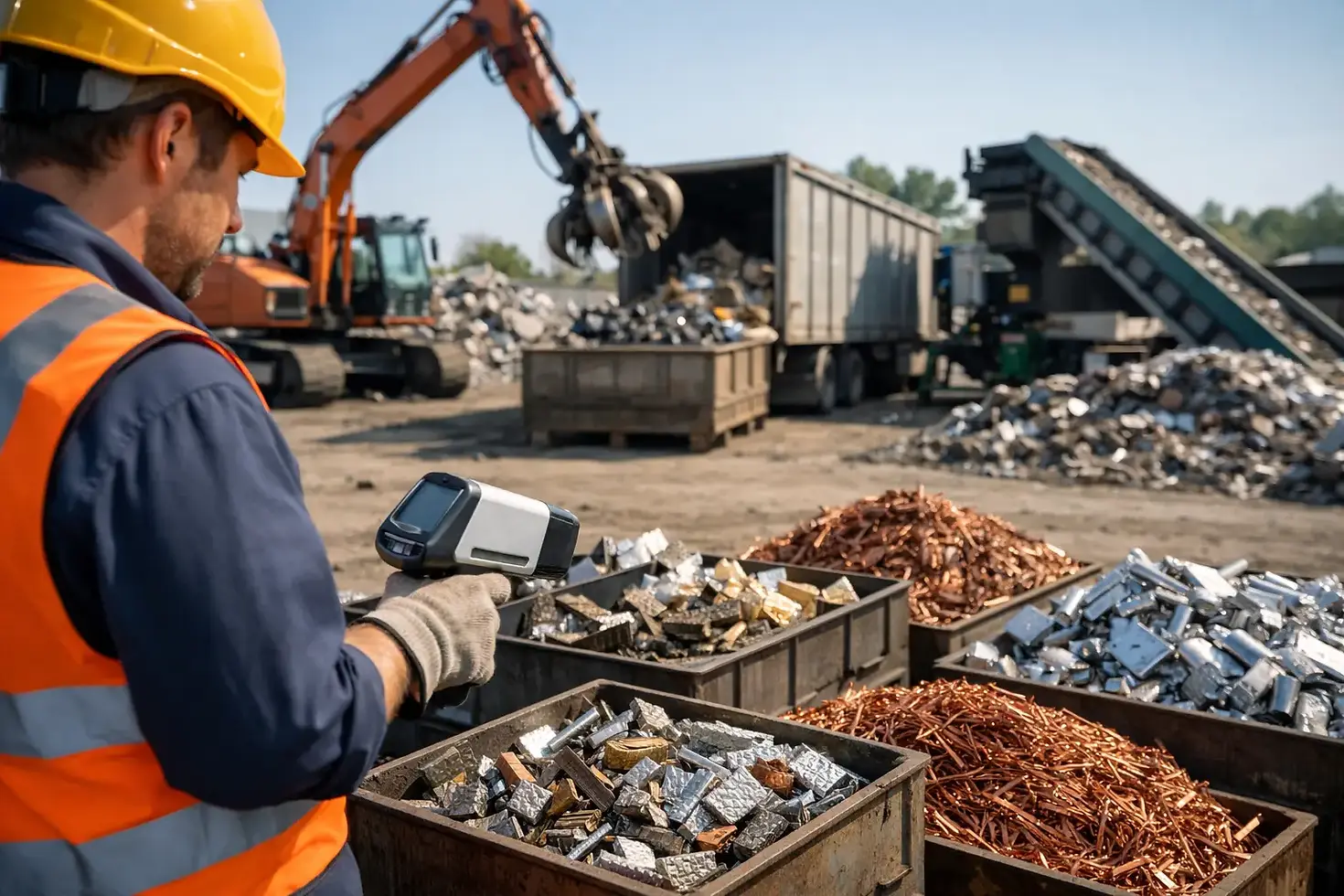
Industrial Material Sorting That Pays on Site
A mixed scrap pile can cost a business real money. When steel, copper, aluminum, insulated wire, stainless, machinery parts, and nonmetal debris are all loaded together, valuable material gets harder to identify, slower to process, and less likely to earn its full value. Industrial material sorting turns that clutter into a cleaner job site, a more organized operation, and a payment opportunity.
For contractors, plants, fabrication shops, demolition crews, and facility managers, sorting is not just a recycling task to deal with after a project ends. It is part of controlling cleanup costs and keeping material moving without pulling your team away from production. The right recycling partner can come to your location, identify recoverable materials, separate qualifying scrap, load it out, and pay onsite.
Why Industrial Material Sorting Affects Scrap Value
Scrap is not priced as one general category. Different metals have different markets, grades, contamination limits, and processing requirements. A container full of clean copper has a very different value from a container of mixed metal with copper buried under steel, plastic, dirt, and trash.
Sorting helps preserve the value already sitting at your facility. Ferrous metals such as iron and steel can be separated from nonferrous metals such as aluminum, brass, copper, and stainless steel. Higher-value specialty materials can be identified before they are mistakenly sent out with low-grade scrap. In some cases, obsolete machinery, high-temperature metals, X-ray film, or materials containing precious metals need a closer look before disposal.
The goal is practical: keep valuable material from being treated like waste. Clean, separated loads are generally easier to evaluate and process. That can mean faster service, clearer compensation, and a stronger return for your business.
It depends on the material mix, quantity, and condition. A small amount of mixed scrap may not justify having your crew sort every piece by hand. Large cleanouts, recurring production scrap, demolition debris, equipment removals, and manufacturing byproducts usually offer more opportunity to recover value through organized sorting. A trained material handler can help determine the approach that makes sense for your operation.
What a Professional Sorting Crew Looks For
Industrial sites generate more than the obvious pile of steel. Material can accumulate in maintenance areas, behind fabrication equipment, around loading docks, in storage rooms, or across active construction zones. A proper evaluation starts by looking at what is present and what can be recovered safely.
Common recoverable categories include structural steel, cast iron, sheet metal, copper pipe, copper wire, insulated cable, aluminum, brass fixtures, stainless components, electric motors, transformers, radiators, machinery, and equipment parts. Specialty recovery may also apply to high-temperature alloys, X-ray film, and precious-metal-bearing materials.
Condition matters as much as material type. Clean aluminum is different from aluminum mixed with steel fasteners. Copper wire may have a different value depending on whether it is bare, insulated, clean, or contaminated. Machinery can contain multiple recoverable materials, but it may also require planning for safe removal, access, weight, fluids, and loading.
That is why industrial material sorting should not be treated as a quick visual guess. Experienced handlers know where value can hide and where mixed material can reduce a load's worth. They also help keep recyclable metals separate from ordinary trash, wood, plastic, concrete, and other debris that can complicate processing.
Sorting at Your Facility Saves Labor and Time
Your maintenance crew has work to do. Your project team has a schedule to meet. Asking employees to transport scrap to a recycling yard, wait for processing, and return to the job site can take hours out of a day that is already packed.
Onsite sorting changes the workflow. Instead of building up material until it becomes a cleanup problem, businesses can arrange pickup when a container, laydown yard, warehouse area, or project site starts filling up. The recycling team comes to the location, assesses the load, sorts qualifying materials, and helps move the material out.
For many Texas businesses, this is especially useful during equipment upgrades, tenant turnover, plant shutdowns, demolition work, storm cleanup, and end-of-project closeouts. Those situations create material fast, often with limited room to stage it safely. Prompt pickup can free up access lanes, reduce trip hazards, and keep the site looking ready for the next phase of work.
Texas Commercial Recycling LLC provides mobile service designed for commercial and industrial customers that need pickup, sorting, processing, and direct payment without making a trip to a scrap yard. Qualifying material can be evaluated and paid for onsite, helping businesses turn excess scrap into immediate cash while clearing valuable space.
Separate Material Without Slowing Down Operations
The best sorting plan is usually simple enough for your team to follow. You do not need to create a complicated internal recycling department to improve your results. Start by giving obvious material groups their own area when possible. Keep copper-bearing material away from general steel, set aside aluminum and stainless, and avoid placing trash or construction debris into metal containers.
Clear staging areas help, but site conditions matter. A busy demolition crew may need a fast roll-off solution rather than several smaller bins. A manufacturing plant with recurring metal offcuts may benefit from regular pickup scheduling. A facility clearing obsolete equipment may need hands-on sorting and removal rather than a basic container drop.
Good material management is not one-size-fits-all. The right setup depends on volume, available space, safety requirements, loading access, and how quickly material is generated. A recycling partner should work around your operation, not require your operation to work around the recycling pickup.
When urgent material removal is needed, after-hours emergency service can also make a difference. An unexpected equipment failure, property damage event, or job-site deadline should not leave scrap blocking production or access. Fast cleanup gives your team room to keep working.
Avoid the Mistakes That Lower Returns
Most scrap value is lost through a few common problems: mixing valuable metals with low-grade material, allowing loads to become contaminated, throwing recoverable machinery into general waste, and waiting so long that scrap takes over the site.
Another issue is assuming all material has the same value. A pile that looks like ordinary demolition scrap may include brass valves, copper wiring, aluminum components, stainless hardware, motors, or specialized alloys. Sending it out as unsorted metal can leave money on the table.
Safety also has to come first. Do not ask untrained employees to cut apart machinery, handle unknown materials, or move heavy scrap without the proper equipment. Material may have sharp edges, stored energy, electrical components, fluids, or difficult weight distribution. Professional handling helps protect workers and supports a cleaner removal process.
Turn Recurring Scrap Into a Better System
Businesses that generate scrap every week or every month should treat it as a managed material stream, not an afterthought. A regular pickup plan can keep work areas clear and reduce the rush that comes with last-minute cleanouts. It also gives your recycling provider a better understanding of the materials your operation produces and how to handle them efficiently.
For example, a fabrication shop may set aside clean steel drops, aluminum cutoffs, stainless remnants, and copper wire separately as they are generated. A construction contractor may stage metal from demolition work in a designated area before pickup. A plant replacing old equipment may schedule removal around shutdown windows so the job does not interfere with production.
These steps are straightforward, but they create better control over labor, space, and recoverable value. They also support waste reduction by directing usable metal back into the recycling stream instead of sending it to a landfill.
If scrap, obsolete equipment, or specialty material is taking up space at your Texas facility, do not let it become another cleanup expense. Set it aside, keep it as clean as practical, and arrange for trained professionals to evaluate it at your location. A well-sorted load can clear the way for your next job while putting cash back into the business.



Comments