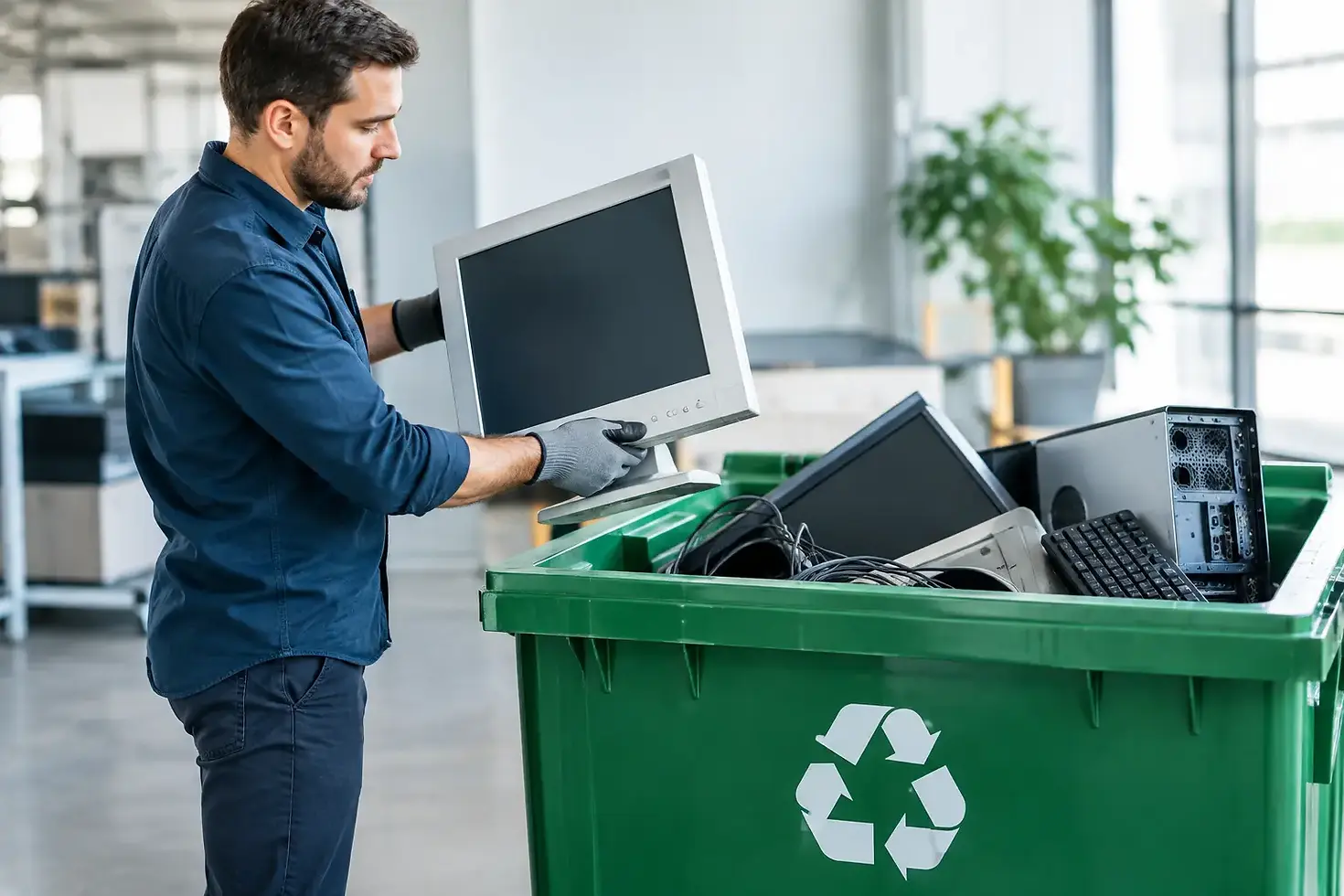
How to Dispose of Obsolete Equipment at Your Facility
A shutdown line, outdated machine, or pile of retired shop equipment takes up more than floor space. It ties up labor, creates safety hazards, and may hold recoverable metal value. Knowing how to dispose of obsolete equipment gives your operation a faster path to a cleaner facility, a safer job site, and cash for qualifying recyclable material.
For commercial and industrial businesses, disposal should not mean loading everything into a dumpster and hoping for the best. Equipment can contain steel, stainless steel, copper, aluminum, brass, electric motors, wiring, high-temperature alloys, and other materials that deserve a closer look before they leave your property.
Start With a Practical Equipment Inventory
Before scheduling removal, walk the area and identify exactly what needs to go. Separate whole machines from loose parts, shelving, maintenance supplies, production fixtures, damaged components, and electrical equipment. A quick inventory helps determine whether material can be resold, recycled for scrap value, or requires special handling.
Include basic information such as the equipment type, approximate size, location, condition, and whether it is still connected to power, gas, water, air, or process lines. This does not need to become a long administrative project. The goal is to prevent surprises during pickup and make the cleanup move quickly.
It also helps to identify equipment that may contain recoverable specialty materials. Older industrial units may have copper windings, stainless components, nickel-bearing alloys, valuable circuit boards, X-ray film, or precious-metal-bearing materials. What looks like a worn-out machine may have more value than expected once it is sorted correctly.
Decide What Can Be Sold, Reused, or Scrapped
Obsolete does not always mean worthless. If equipment is still functional and meets current safety requirements, resale or redeployment within another facility may make sense. This option can work well for standard tools, lightly used warehouse equipment, or machines with an active secondary market.
But resale is not always the best use of your time. A machine that has been sitting for years, lacks documentation, needs major repairs, or is too costly to transport may be better handled as scrap. Holding onto it in hopes of a future sale can consume valuable space and delay a needed cleanup.
For equipment that is damaged, incomplete, outdated, or beyond economic repair, recycling is often the practical choice. Scrap metal recovery turns a disposal expense into a possible revenue opportunity while keeping usable material out of the landfill.
Prepare Equipment Before Removal
Safe preparation protects your employees, your property, and the removal crew. Shut down equipment according to your facility procedures and make sure it is disconnected from utilities by qualified personnel. Lockout and tagout procedures should be followed when applicable.
Remove product, process residue, fuel, oils, refrigerants, batteries, chemicals, and other non-metal materials before scrap pickup when required. Some items need specialized disposal rather than standard metal recycling. Refrigerated equipment, for example, may require refrigerant recovery. Equipment that held chemicals or regulated materials should be assessed before it is moved.
Keep paperwork, data plates, service records, and ownership documents if they are needed for your internal files. For computers, control systems, hard drives, and other data-bearing equipment, have a clear data-security process. Recycling the metal is valuable, but protecting business, employee, and customer information comes first.
Do not send unknown containers, sealed drums, pressurized cylinders, or equipment with unverified contents into a scrap pile. When in doubt, identify the material before removal. That step avoids safety issues and prevents a routine pickup from becoming a job-site delay.
How to Dispose of Obsolete Equipment for Scrap Value
The best way to dispose of obsolete equipment with metal value is to work with a commercial recycler that can evaluate material at your location. Onsite service is especially useful when machinery is heavy, your team does not have trucks available, or shutting down operations to haul scrap is not practical.
A qualified commercial recycler can review the load, separate metal categories, and determine what qualifies for payment. Ferrous metals such as iron and steel are common in machinery, racks, tanks, and structural components. Nonferrous metals such as copper, aluminum, brass, stainless steel, and specialty alloys may carry stronger value depending on the material and market conditions.
Sorting matters. A mixed pile may still have value, but separating higher-value materials from basic steel can improve the return. Copper wiring, motors, stainless components, aluminum housings, and specialty metal pieces should not be buried under general scrap if they can be identified safely.
Texas Commercial Recycling provides mobile commercial pickup for qualifying scrap, obsolete machinery, and specialty materials. The crew comes to your facility or job site, helps sort recoverable material, and pays cash onsite for qualifying loads. That means less time coordinating transportation and more time focused on the work your business needs to complete.
Plan Removal Around Your Operation
Equipment removal should fit your schedule, not disrupt it. A fabrication shop may need scrap cleared after a major machine replacement. A construction contractor may need fast cleanup after demolition. A plant manager may need material removed after hours to keep production areas open during the day.
Communicate access details before pickup. Let the recycler know about gate procedures, loading areas, forklift availability, site restrictions, required personal protective equipment, and whether equipment must be cut down or staged. Clear instructions help the crew arrive prepared and reduce time spent waiting at the site.
For a large cleanout, designate a staging area if possible. Keep recyclable metal separate from trash, wood, plastic, insulation, and regulated waste. This makes loading more efficient and helps protect the value of the scrap. It also gives your team a cleaner, more organized work area while the project is underway.
If a job cannot wait, ask about emergency or after-hours service. A broken machine, unexpected shutdown, or rushed property turnover can create immediate space and safety problems. Fast scrap removal can help get the area cleared without pulling your own employees away from critical tasks.
Avoid These Costly Disposal Mistakes
The most common mistake is treating all retired equipment as trash. Dumpsters are useful for certain waste streams, but they are rarely the right answer for heavy metal equipment with recoverable value. You may pay to throw away material that could have generated cash.
Another mistake is allowing scrap to accumulate without a plan. Piles of obsolete equipment block aisles, take up storage space, collect debris, and make it harder to see what your business actually has. Regular pickups and a simple scrap-management process can keep material moving instead of turning it into a cleanup problem.
Finally, do not assume every recycler handles every material the same way. Specialty metals, X-ray film, precious-metal-bearing materials, and high-temperature alloys may require more experienced sorting and processing. Ask what materials can be evaluated so valuable items are not overlooked.
Turn a Cleanup Into a Better Business Decision
Disposing of obsolete equipment is part of running an efficient facility. When equipment no longer earns its keep, move it out safely, recover the scrap value that is available, and put the space back to work. The right pickup partner can handle the logistics at your location, help identify valuable materials, and leave your site cleaner than before.
If retired machinery or scrap is crowding your San Antonio-area facility, do not let it become another delayed project. Stage the material, request a pickup, and turn that old equipment into room to operate and cash for your business.



Comments